
Supply chain planning at Vitro Vidrio y Cristal
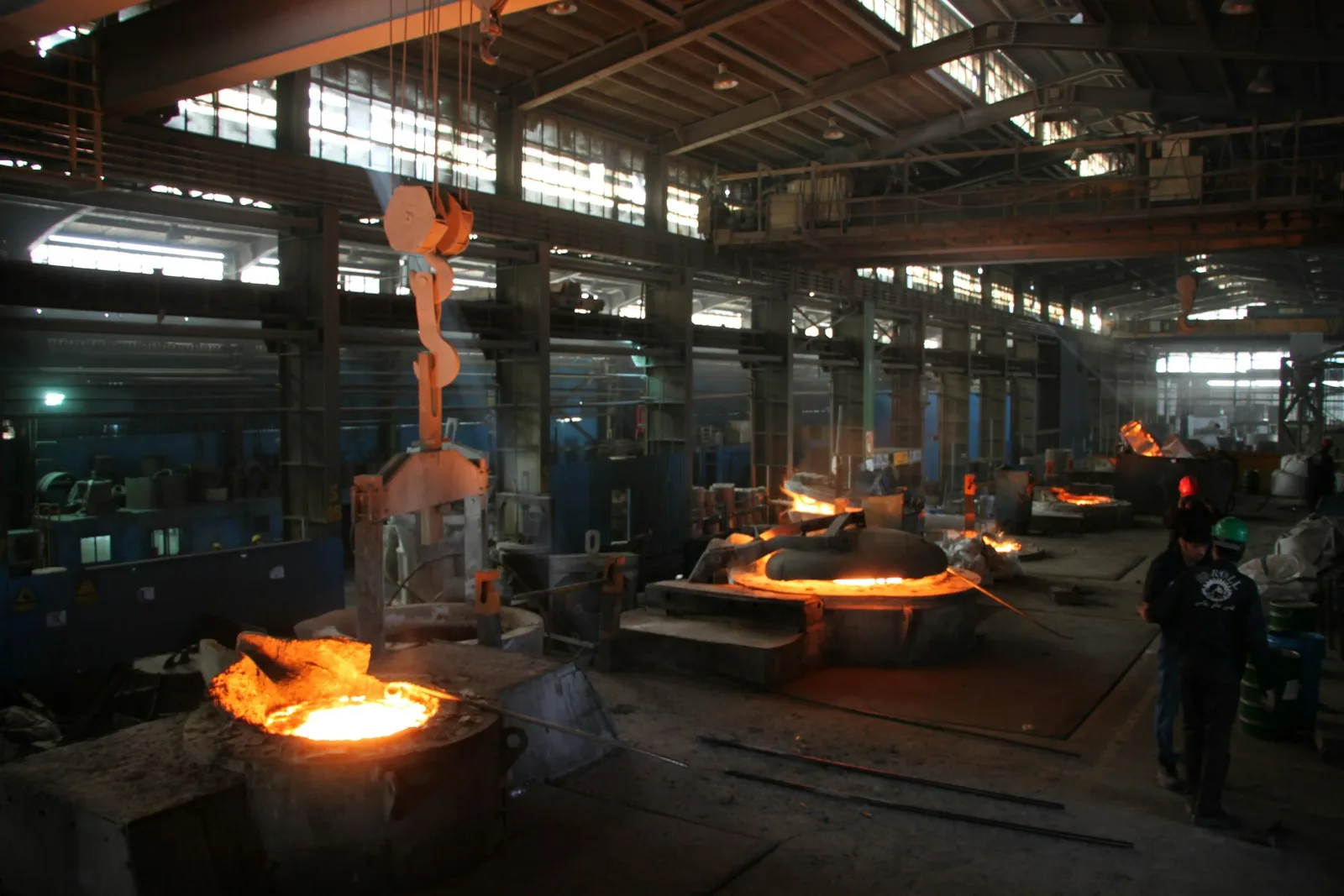
Aleph5 designed for Vitro the operational planning model that coordinates three glass and crystal furnaces, bringing freight costs, production costs, and customer profitability into every scheduling decision.
- Client
- Vitro · Glass and Crystal business (Mexico)
- Industry
- Glass
- Operation
- Three furnaces: two in Monterrey, one in Mexicali
- Markets
- Construction, automotive, industrial, and export
- Origin
- Reengineering process started around the year 2000
Who they are
Vitro's Glass and Crystal business operates three furnaces: two in Monterrey and one in Mexicali. It serves several markets — construction, automotive, and industrial — and exports to practically the entire world.
Jesús González Palacios, Head of Production Scheduling and Planning, has been with the company for 26 years and is responsible for building the sales forecasts used to plan production.
The challenge
With furnaces in different geographic locations, scheduling was done to saturate capacity, without knowing whether what was being scheduled was profitable for the business.
Planning well required combining factors that until then were looked at separately: freight costs, production costs, and which customers are most profitable when allocating capacity.
“We had a problem: we did not know whether what we were scheduling was profitable for the business. We were scheduling to try to saturate our capacity. There was a need to combine several factors in order to plan properly.”
The solution
The decision came out of a reengineering process around the year 2000, in which several market tools were evaluated. Aleph5 offered a tool tailored to the business, incorporating all the variables Vitro was asking for, with acceptable response times and the ability to interact with every area involved in making and selling glass.
Aleph5 supported everything from defining the business model and the level of data to be handled, through training and ongoing support.
Results
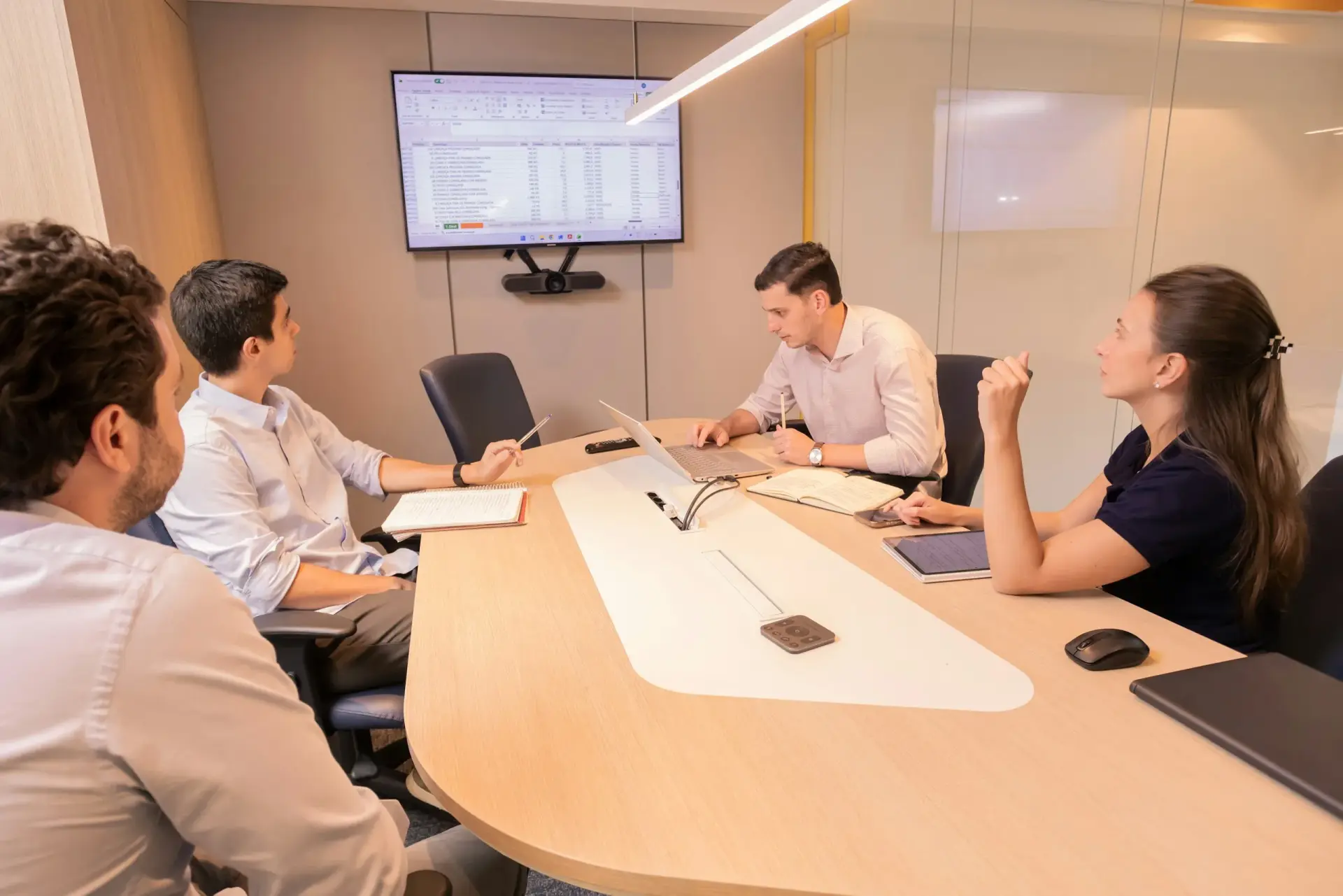
The tool stopped being a planning system and became part of the decision-making process of the business's management committee: executives' questions are answered in the same session.
The planning team no longer delivers a single answer: it generates any number of solutions in a day and presents the committee with several scenarios and a recommendation, so leadership can choose whichever best fits business priorities.
“We are in a planning session with the tool and our executives' questions come up: what happens if we make this color? What if we drop it, sell it, or buy it? We can evaluate those scenarios in the same meeting and see immediate results.”
Why Aleph5
Vitro analyzed several market tools and found none that offered what it expected. The difference came at the stage of understanding the problem, before talking about software.
“With all the tools we evaluated we always had a big problem getting them to understand exactly what our issue was. When we sat down with Aleph5's people we felt they grasped what our problem was, interpreted it correctly, and designed the way we could solve it.”
Testimonial
Jesús González shares his experience with the supply chain planning model for Glass and Crystal, developed and implemented by Aleph5:
Questions about this case
What does the Vitro model optimize?
Operational planning of three furnaces considering freight costs, production costs, customer profitability, and available capacity.
How is it used today?
It is part of the management committee's decision process: the scenarios executives raise are evaluated in the same planning session.
How far back does the project go?
The decision came out of a reengineering process around the year 2000.
“If you want the POWER to improve, Measure… if you want to Improve, Model.”
Peter Drucker

Proven in real operations
Arauco, Grupo Senda, Vitro, and Flecha Amarilla make daily decisions with Aleph5 models.